How we refurbish a machine
Our refurbishment process takes a machine from intake inspection to final testing, with the paperwork and support a registered facility needs. We sell to renal units, hospitals and clinics only, not to the public.
What is included in refurbishment
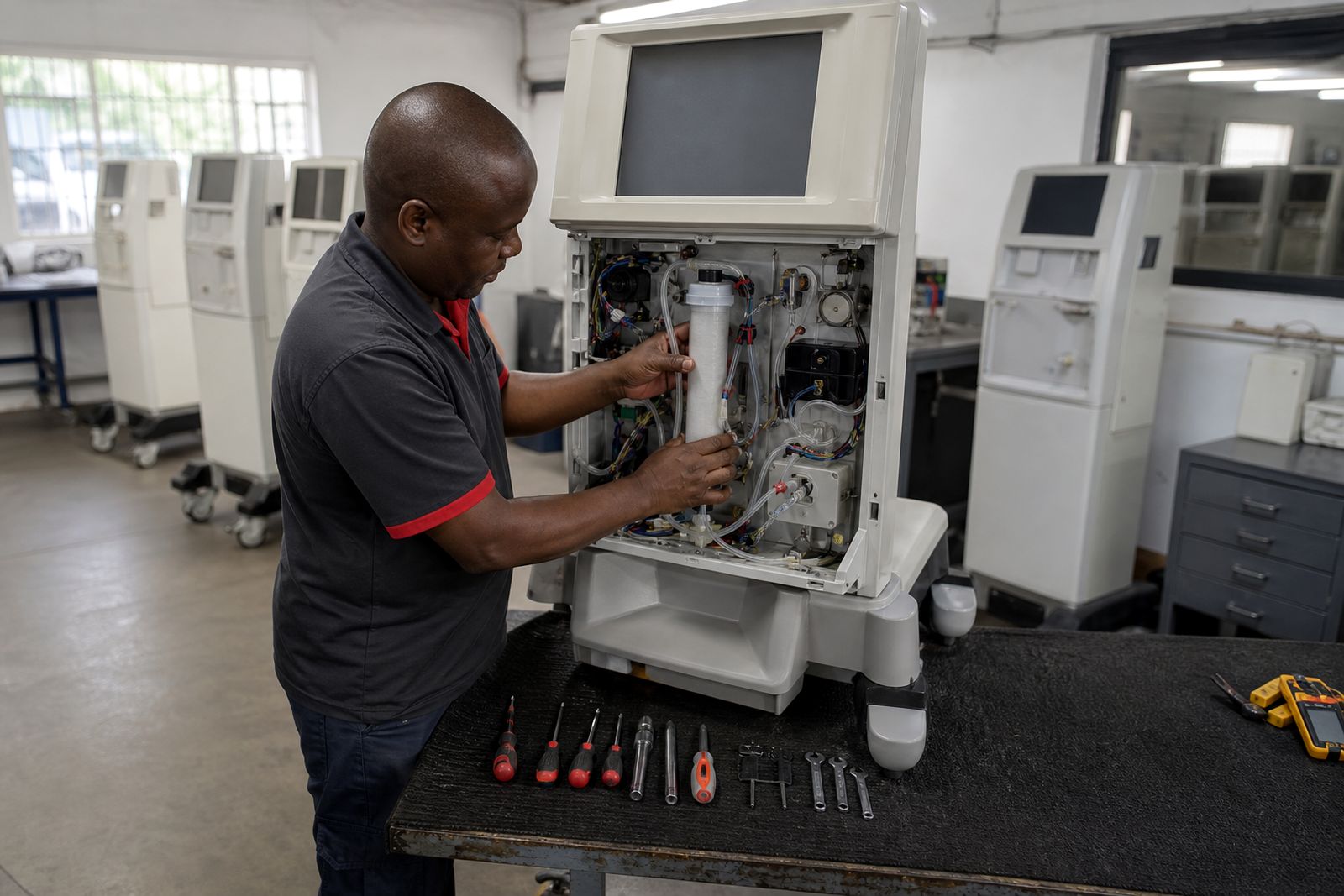
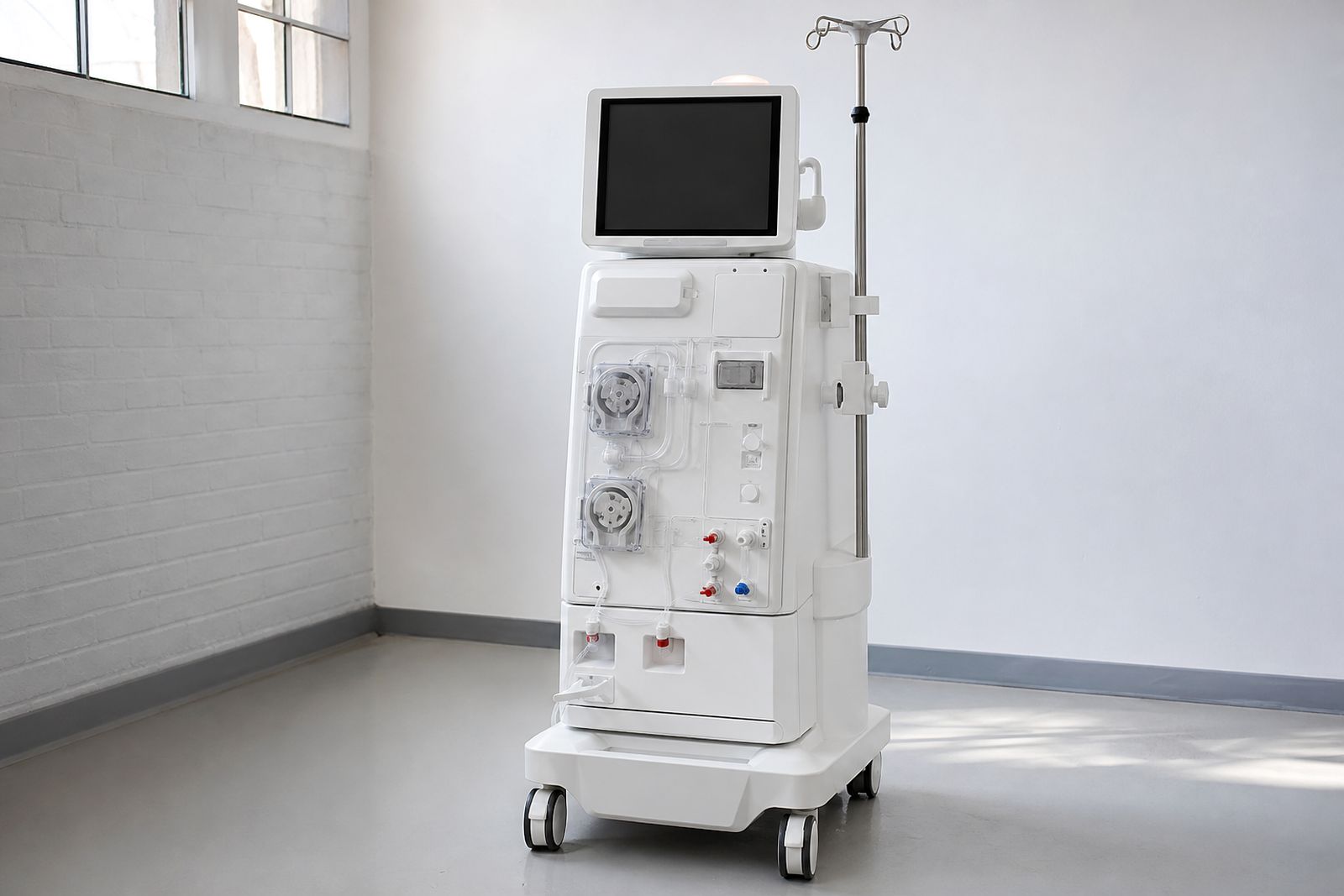
Refurbishment starts with a full workshop intake and ends only when the machine has passed its final checks and is ready for delivery to a registered facility. The aim is not simply to clean the unit up, but to verify condition, replace worn service items where needed, confirm core functions, and prepare a clear service history file for the receiving unit.
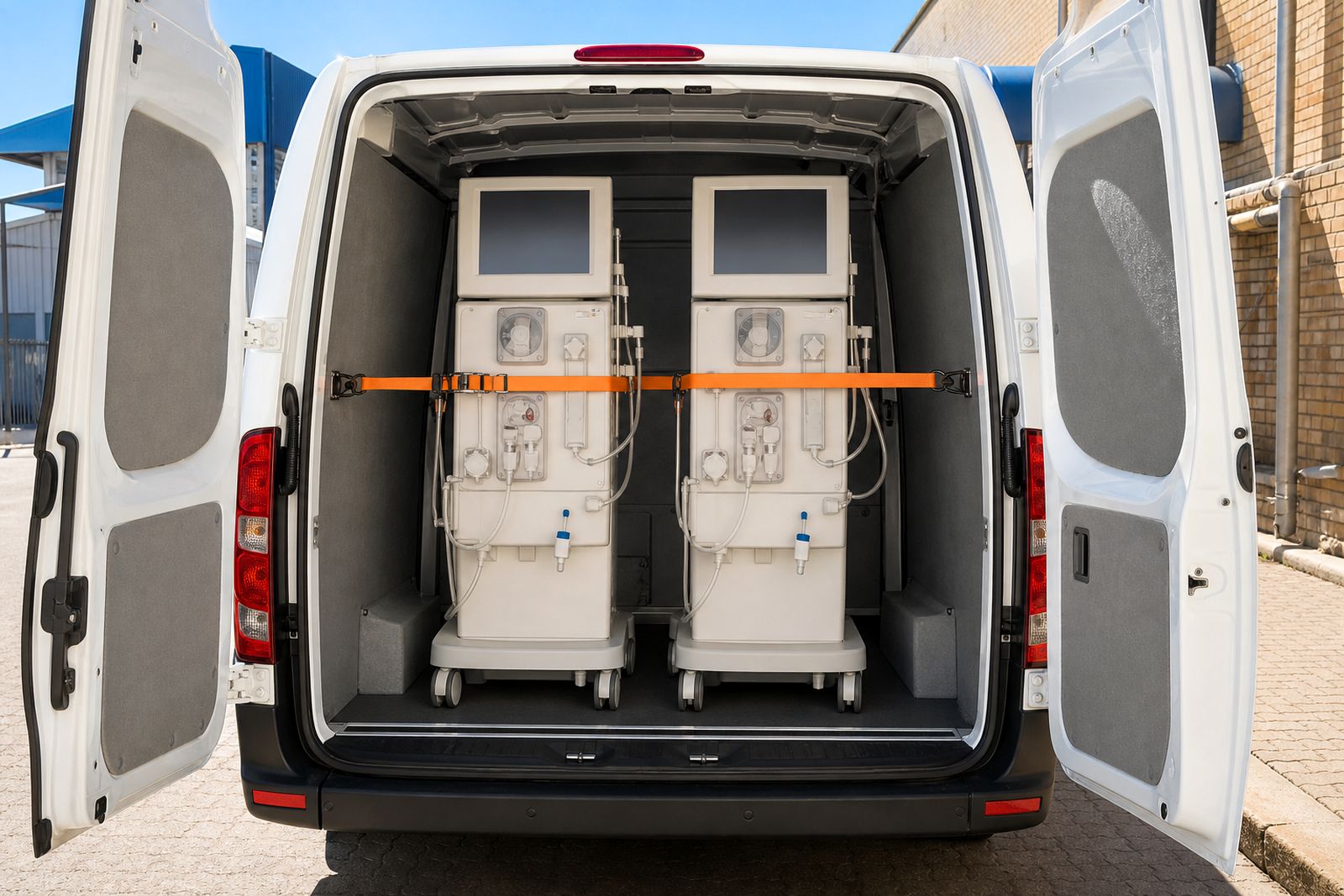
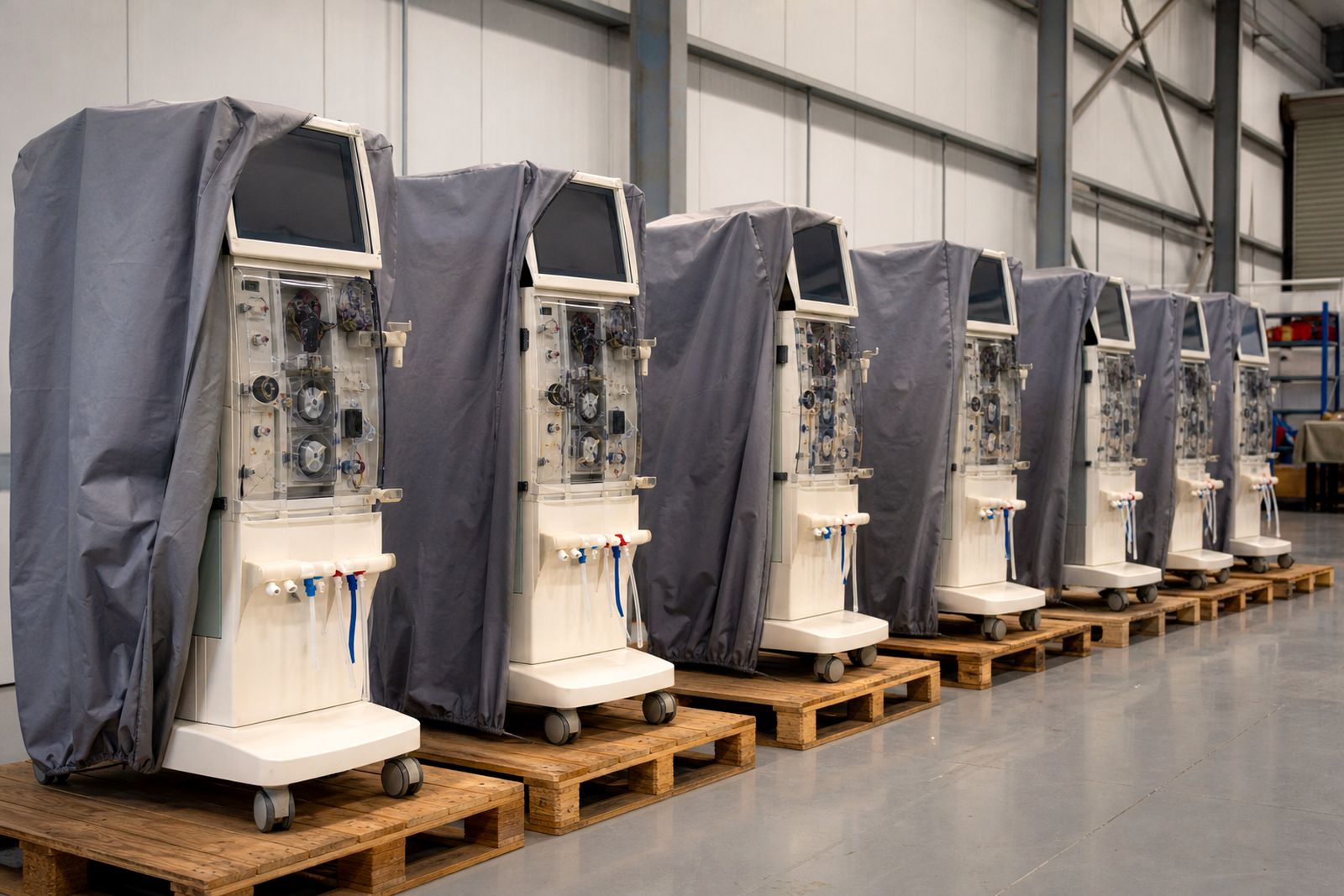
Each machine is handled in our Kempton Park workflow before dispatch to sites across South Africa, including facilities near OR Tambo and out to coastal and inland provinces. Machines destined for humid coastal areas may need extra attention to storage and packing conditions before transport.
- Initial visual inspection and intake logging
- External and internal cleaning of accessible areas
- Condition check of housings, connectors, screens, wheels and power lead
- Assessment of service items and replaceable parts as required
- Functional testing and final sign-off in the workshop
- Service history file prepared for the client
- Technician hand-over at the facility after delivery
Step 1: Intake, identification and workshop assessment
When a machine comes in, we first log the unit and match its serial information to any available service paperwork. If the unit arrives as a trade-in or from storage, we note external condition, missing items, signs of transport damage and any obvious contamination or corrosion. This gives the workshop team a clear starting point before any work begins.
The technician then opens the machine as allowed by the service procedure for that unit type and checks internal condition. We look for signs of liquid ingress, dust build-up, damaged fittings, loose wiring, non-standard repairs and age related wear on service components. Nothing is assumed. If a part is beyond acceptable condition it is flagged before the refurbishment scope is finalised.
This intake stage is also where we identify whether the machine is suitable for sale or rental preparation, or whether it is better reserved for parts support. That decision depends on condition, parts availability and the work required to return the unit to a reliable operating state.
Step 2: Cleaning, parts replacement and functional work
After assessment, the machine moves into cleaning and service work. External panels, touch areas, castors and accessible compartments are cleaned, and internal sections are attended to according to workshop procedure. Worn or damaged items are replaced where needed, with attention to safe fitment and correct operation after reassembly.
Because these machines are used in clinical environments, presentation matters, but function matters more. A tidy casing means very little if a connector is strained or a service item is overdue, so the workshop lead checks both. On machines coming from areas with dust, generator use or repeated power cuts we sometimes find extra stress on power related components and connectors.
- Cleaning of outer surfaces and accessible internal areas
- Inspection of buttons, doors, latches and display condition
- Replacement of selected service items and worn fittings where required
- Checks on connectors, tubing paths, pumps, clamps and alarms as applicable to the unit
- Reassembly and staged power-up checks
We do not provide treatment advice and we do not alter a machine outside its intended service scope. The refurbishment is focused on workshop readiness for registered facility use.
Step 3: Testing, records and final release
Once the service work is complete, the machine goes through workshop testing. The purpose is to confirm that the machine starts correctly, key functions respond as expected, alarms and indicators can be checked, and the unit is suitable to proceed to delivery. Final release only happens after the service technician has signed off the work record and the service history file is updated.
The file that goes with the machine is important. Facilities need a record of what came in, what was found and what work was completed. This makes future support easier and gives the receiving team a practical reference from day one.
- Power-up and shut-down checks
- Verification of controls, indicators and user interface response
- Alarm and safety related checks within workshop scope
- Confirmation of fitted parts and service actions completed
- Preparation of the machine file for hand-over
If a machine does not meet release requirements it does not go out. It is held back for further work or reassessed for parts use.
What your facility must prepare before delivery
Before the machine arrives, the receiving facility should make sure the installation point is ready and that the correct team is available for hand-over. This keeps delivery day straightforward and avoids delays for your unit. If access is difficult, such as upper floors, narrow passages or security controlled loading zones, tell us in advance so transport and timing can be planned properly.
Your facility should also have internal asset procedures ready if you use them, including receiving forms, tag numbers and a contact person from the renal unit, clinic or hospital engineering side. A little prep on your side saves time on site and helps the operator team settle the machine in faster.
- A clear delivery point with safe access for trolleys and doors wide enough for the unit
- A responsible facility contact available on the day
- Electrical supply ready at the intended position
- Space for unpacking and technician checks
- Internal receiving paperwork if your site requires it
How refurbishment pricing is worked out
We do not use a flat charge for every machine because refurbishment depends on the condition of the incoming unit and the work needed to prepare it properly. In general terms, pricing is affected by the machine's starting condition, the parts required, the labour involved, and whether the unit is being prepared for sale, rental rotation or trade-in evaluation.
Transport can also affect the total, especially for deliveries outside Gauteng or to sites with strict booking rules. Facilities in outlying areas should also allow for timing around long distance routes and municipal access rules at certain healthcare campuses.
For facilities comparing options, the practical question is usually whether a refurbished purchase or a rental arrangement makes more sense for expected usage, maintenance planning and internal approval process. Our team can guide that discussion through the enquiry form, but we do not publish blanket figures because the scope varies unit to unit.
Aftercare, parts support and hand-over at your site
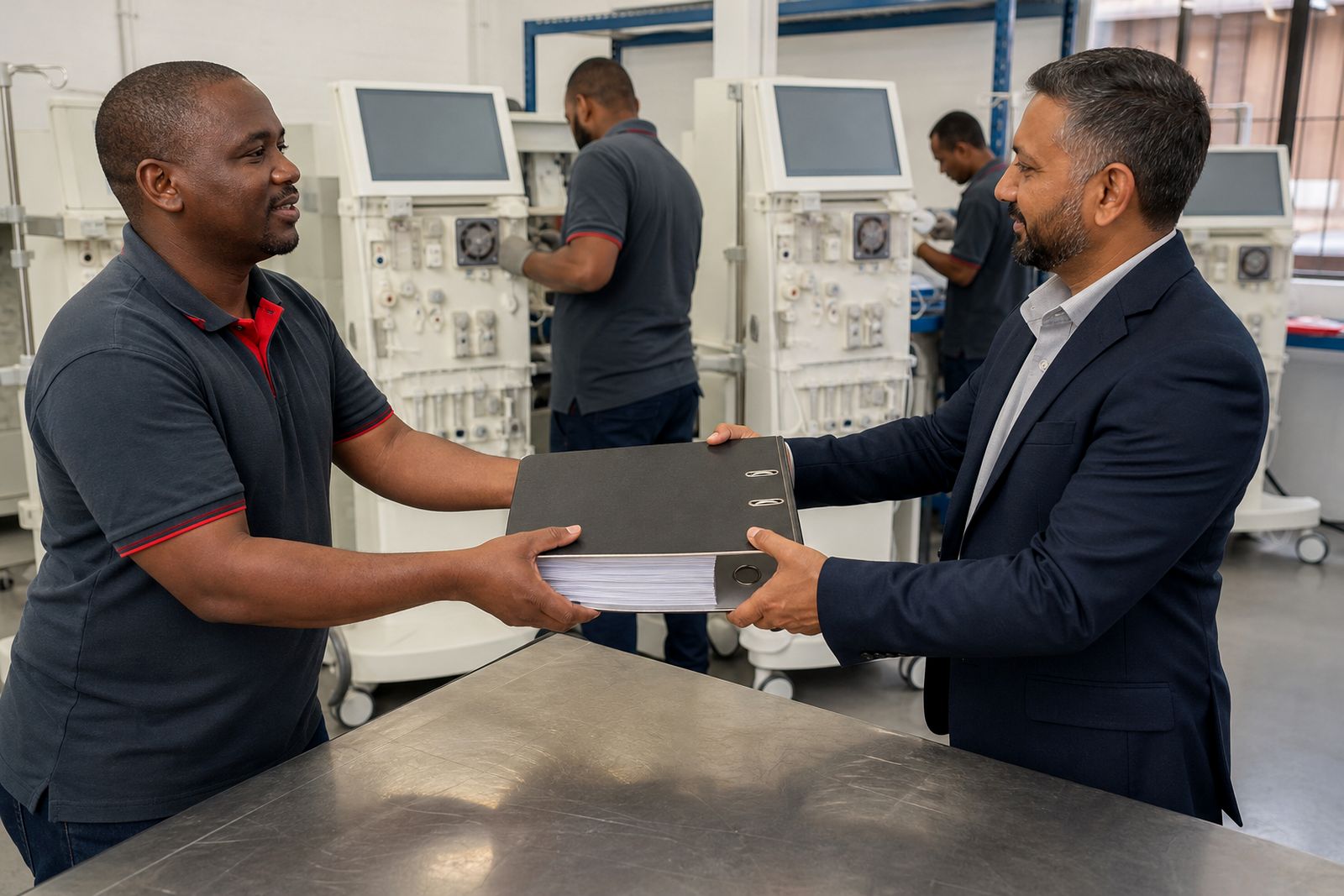
Our part of the job does not end when the machine leaves Kempton Park. Each machine goes out with its service history, and a technician hand-over takes place at the receiving facility. That hand-over covers the machine identity, the work completed, the condition on delivery and the basic support route for future parts enquiries.
Ongoing parts support matters because facilities need a realistic path for keeping equipment in service. If a component later needs replacement, the existing file helps us identify the unit and support the request faster. This is especially useful when a machine has moved between branches or when the unit manager changes.
We supply registered facilities only, not the public, and all enquiries must come through the contact page form. If you need a refurbished machine, want to discuss rental, or need to place a trade-in into the process, send the facility details and intended use case and our team will respond.
What our Dialysis Machine customers say
Verified Google reviews
Questions we get asked
Do you sell refurbished dialysis machines to private buyers?
No. We sell and rent to registered facilities only, including renal units, hospitals and clinics.
Does every refurbished machine include paperwork?
Yes. Each machine goes out with its service history file and is handed over by a technician at the facility.
Can you help if our facility needs parts support after delivery?
Yes. Ongoing parts support forms part of our aftercare for refurbished machines supplied to registered facilities.
Also worth a look
Ask about a machine
Send a note through our contact form with your facility, how many machines you need and whether you want to buy, rent or trade in, and our sales team will contact you.
Open the contact form