How trade-in valuation works
When a registered facility wants to trade in a dialysis machine, we look at its records, condition and what will be needed to place it back into service. Our valuation process is clear, practical and handled facility to facility, never for the public.
What we assess first
A trade-in valuation starts with the basics: what machine you have, where it is installed, whether it is currently in use, and what paperwork is available. We work with registered facilities only, including renal units, hospitals and clinics. We do not buy from or sell to the public.
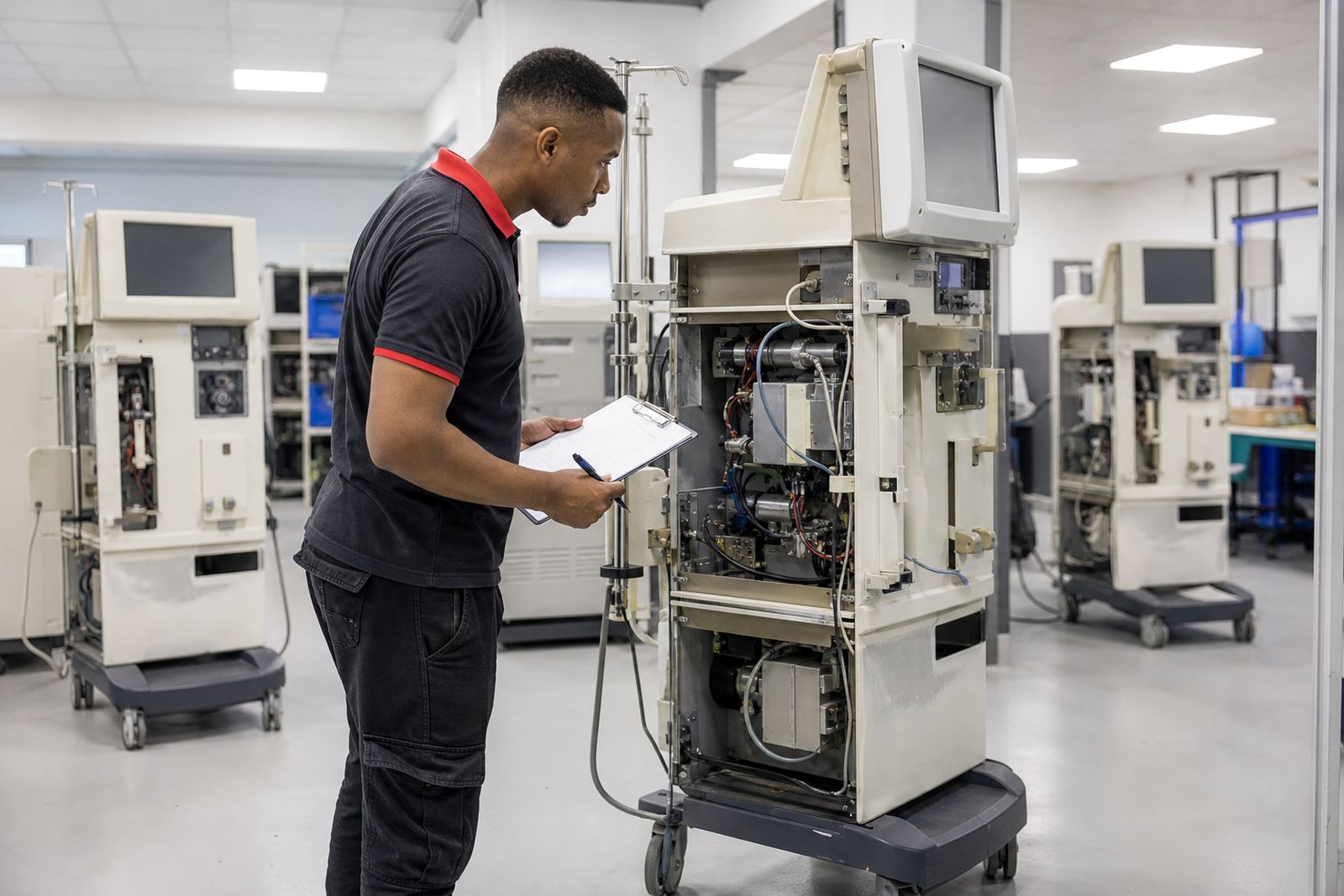
Before collection or inspection, we ask for enough detail to decide whether a machine is suitable for refurbishment, parts recovery or direct exchange against another unit. If the machine is in Kempton Park, Johannesburg, Pretoria or near OR Tambo, inspection planning is often quicker, but we handle trade-ins across South Africa as well.
- Machine identification and serial details
- Current operating status
- Service history file availability
- Fault history and recent repairs
- Physical condition of casing, panels and connectors
- Whether the unit is complete with accessories supplied with it at the facility
Records and machine history matter
The strongest valuations usually come from machines with a clear service trail. We look at workshop notes, service intervals, fault logs, board or pump replacements where recorded, and any notes on water-related damage or extended storage. A machine with traceable maintenance is easier to assess and usually simpler to place back into a refurbishment queue.
If a facility cannot provide a full file, that does not automatically rule out a trade-in. It may, however, affect the valuation because more workshop time is needed to verify condition and identify missing history. Where records are partial we note that early, so there are no surprises later.
- Previous service reports
- Internal maintenance labels or inspection tags
- Decommissioning notes if the machine has been taken out of service
- Confirmation of storage conditions, especially in coastal humidity areas
The step by step valuation process
Our process is straightforward and aimed at reducing delays for the facility. Most trade-ins begin with an enquiry through the contact page, followed by a document review and then either a remote assessment or an on-site check. From there, we issue a general trade-in valuation and explain what could change it before final acceptance.
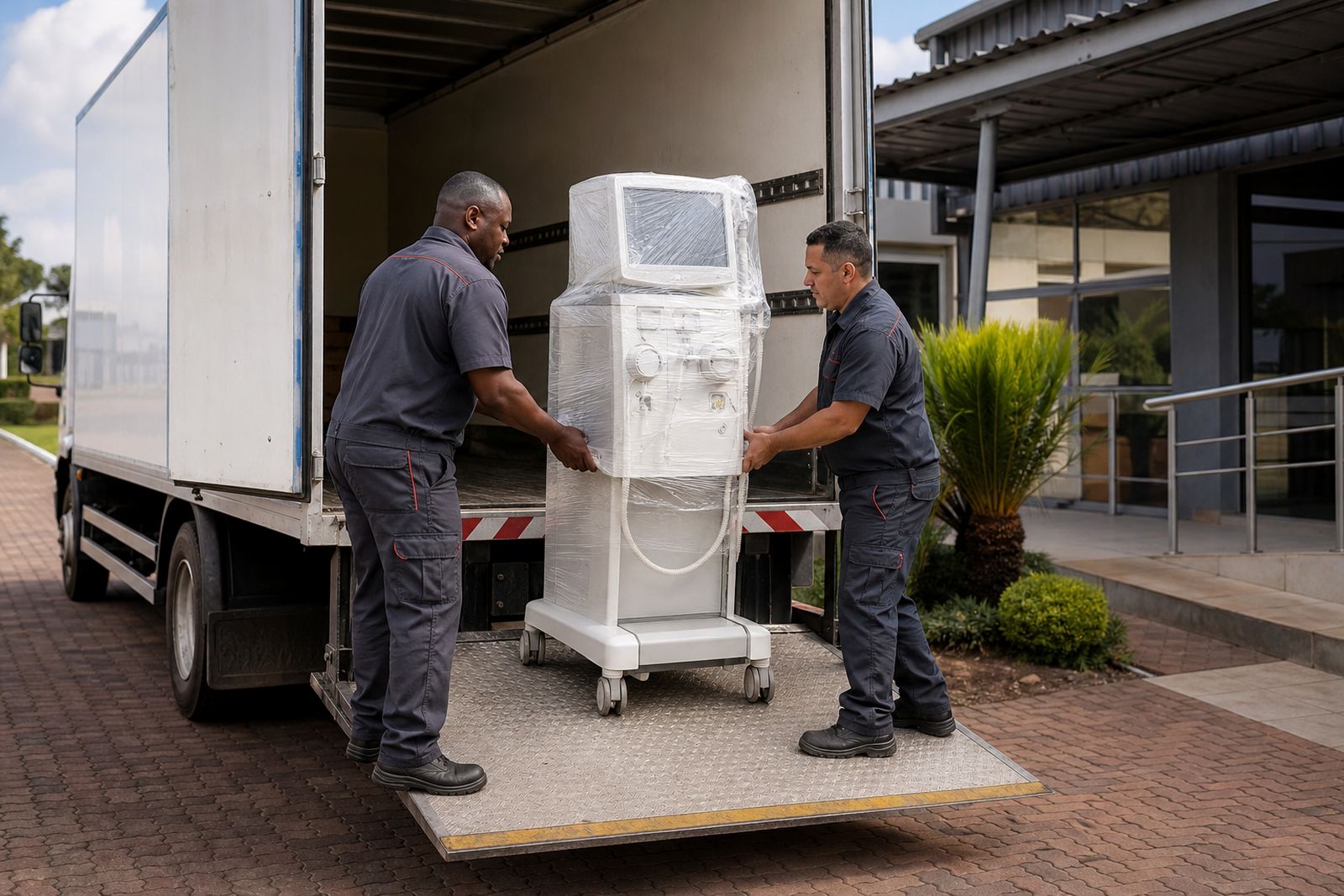
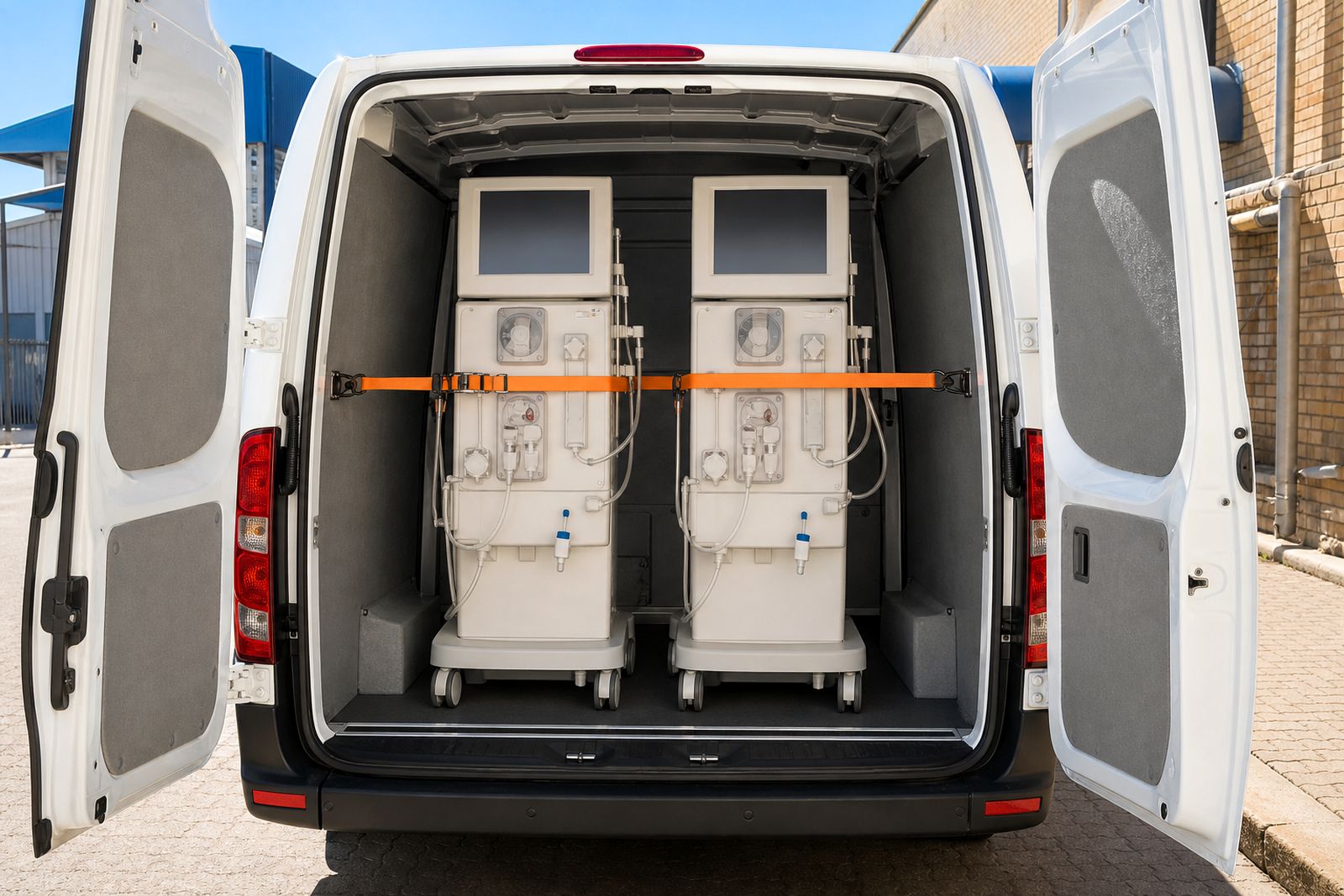
If collection is required, we arrange the practical side with the facility so access, loading points and timing are clear. Machines coming from busy hospital loading zones or clinics with strict receiving windows need a bit more planning, but that is normal.
- Facility submits an enquiry with machine details
- We review available records and photos
- We assess condition remotely or arrange inspection
- A general trade-in value is issued subject to final checks
- Collection is scheduled if the facility accepts
- Machine arrives for intake inspection and data wiping process
- Final trade-in paperwork is completed against the agreed deal
What the facility should prepare
A smoother valuation depends on the machine being ready for review and collection. The facility should make sure the unit can be identified clearly, that relevant records are available, and that site access is confirmed with the appropriate department. If the machine has been moved into storage, tell us how long it has been there and whether the room had stable power and controlled conditions.
It also helps if the facility notes any obvious faults upfront. A unit that powers up, one with alarm issues, or one stored after a fluid leak will each be valued differently. Clear information saves time for both sides and avoids back and forth later.
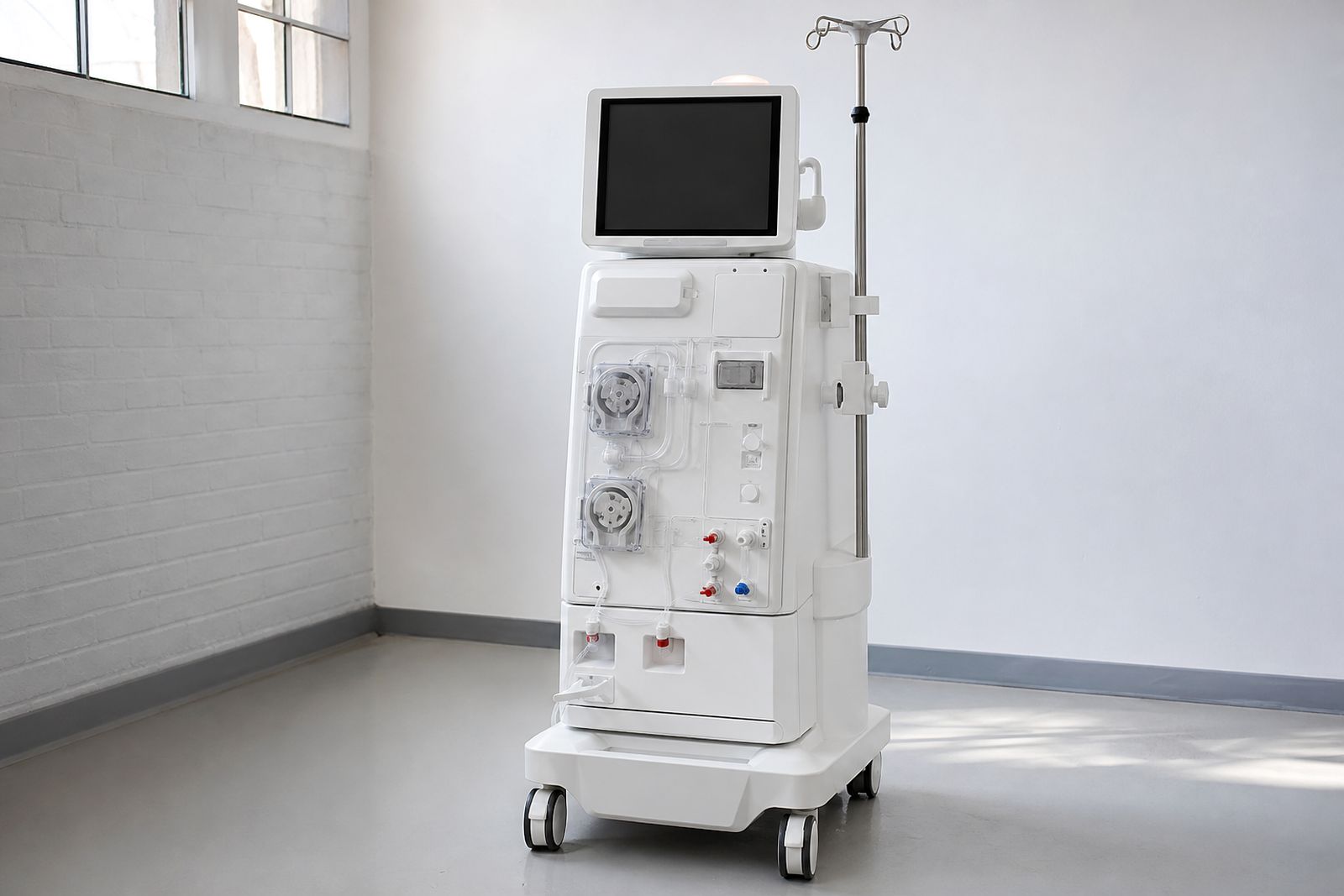
- Clear photos of front, sides, rear panel and connectors
- Serial or asset identification details
- Service file or maintenance notes
- Site contact for access and collection coordination
- Confirmation whether the machine is disconnected and ready for removal
- Any municipal or hospital contractor access rules at the site
How trade-in pricing is worked out
We do not use a flat rate. Trade-in value is worked out from the likely refurbishment scope, parts recovery value, transport requirements and the amount of workshop time needed after intake. Machines with complete records, clean physical condition and fewer unknowns usually sit in a better position than units with missing covers, corrosion, heavy wear or unclear fault history.
Location also plays a part in practical terms. Collection from central Gauteng is different from collection in outlying areas where travel, timing and access must be managed more carefully. If a machine comes from a coastal site, we pay close attention to signs of corrosion from humid air, because that can affect connectors, fasteners and internal assemblies. Sometimes a machine looks acceptable in photos but needs more work once opened up, so the final stage is important.
The valuation is always tied to facility use and exchange context, not public resale. We keep the process plain and factual, with no guessing and no inflated figures.
Aftercare, collection and final hand-over
Once the trade-in is accepted, we manage the next steps so the facility has a clean handover path. Collection arrangements are confirmed, intake checks are done, and any data wiping steps relevant to the machine record are handled as part of our trade-in process. We also align the trade-in with replacement supply where needed, so the facility can plan installation timing properly.
If the deal forms part of a replacement machine order or rental arrangement, we coordinate the paperwork and technician hand-over with the receiving site. That keeps the process practical for unit managers and procurement teams. We do not provide clinical guidance, but we do support the equipment side after the trade-in and replacement stage is done.
- Collection scheduling with the facility
- Intake inspection on arrival
- Data wiping procedures during processing
- Trade-in documents matched to the agreed transaction
- Coordination with replacement delivery if required
- Ongoing parts support for supplied machines
What our Dialysis Machine customers say
Verified Google reviews
Questions we get asked
Can we trade in a machine if the service file is incomplete?
Yes, in some cases. An incomplete file may lower the valuation because more inspection and workshop verification are usually needed.
Do you collect trade-in machines outside Gauteng?
Yes. We arrange collections for registered facilities across South Africa, with timing based on access, location and site requirements.
Will you give a trade-in value before collection?
We can usually provide a general valuation based on records and photos, subject to final intake checks once the machine is inspected.
Also worth a look
Ask about a machine
Send a note through our contact form with your facility, how many machines you need and whether you want to buy, rent or trade in, and our sales team will contact you.
Open the contact form